Boston-based water technology company Gradiant announced November 19 that it is concentrating its core operating business on water infrastructure supporting the growing AI economy, while establishing a separate platform, Entropy, to develop and commercialize its emerging technologies.
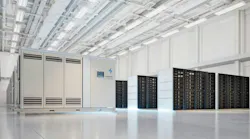
According to the company, more than 90% of its core operating business now serves AI-related industries, including hyperscale data centers, semiconductor fabrication facilities, and the power and industrial infrastructure supporting them.
Gradiant expects its operating business to generate approximately $150 million in earnings before interest, taxes, depreciation, and amortization (EBITDA) in 2027, with an EBITDA margin exceeding 20%. The company reports that its existing order backlog covers most of its projected 2027 earnings and approximately 35% of its 2028 forecast.
The restructuring separates Gradiant's established water and wastewater infrastructure operations from three emerging technology businesses. These include alkaLi, which recovers lithium and other critical minerals from brines and wastewater; ForeverGone, which focuses on destroying PFAS contaminants; and Turing, which applies artificial intelligence to water treatment operations.
The new Entropy platform, led by CEO Anurag Bajpayee, will provide dedicated teams and development resources for each technology while remaining part of the Gradiant group.
"AI runs on chips, and chips run on water," said Prakash Govindan, Gradiant co-founder and CEO, emphasizing the company's decision to concentrate on infrastructure supporting AI expansion.
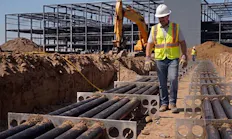
The announcement follows Gradiant's September disclosure of a contract to provide integrated water supply and wastewater treatment infrastructure for a hyperscale AI data center campus in West Texas. That project includes a zero-surface-discharge design intended to support data center development in a water-constrained region.
As AI infrastructure development expands into markets facing water availability challenges, treatment, recycling, and wastewater management are becoming increasingly important considerations in data center site selection and operations.
Gradiant said the organizational changes will not affect existing customer contacts, project teams, or ongoing contracts.